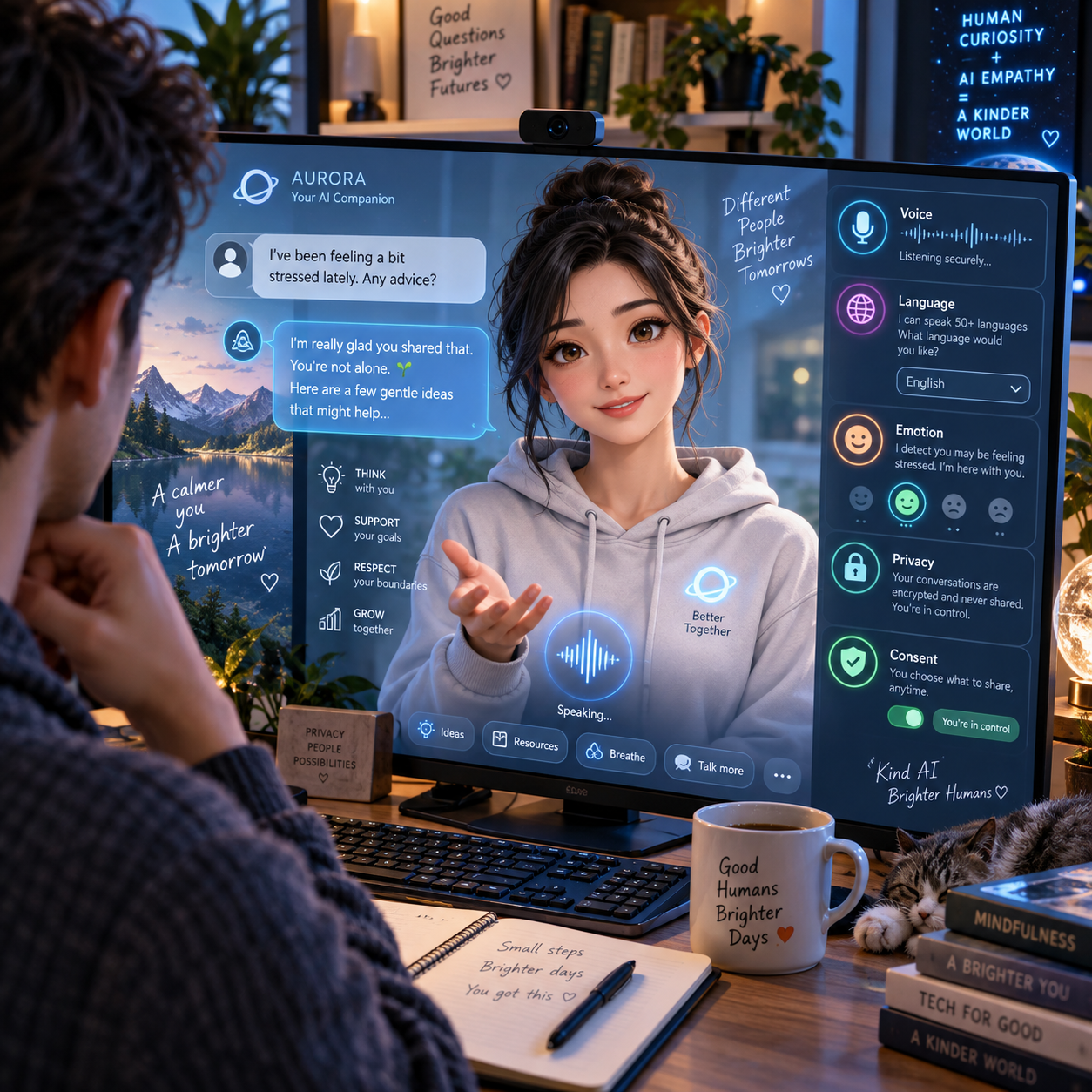

Digital Twins and AI Avatars: Building More Realistic Simulations
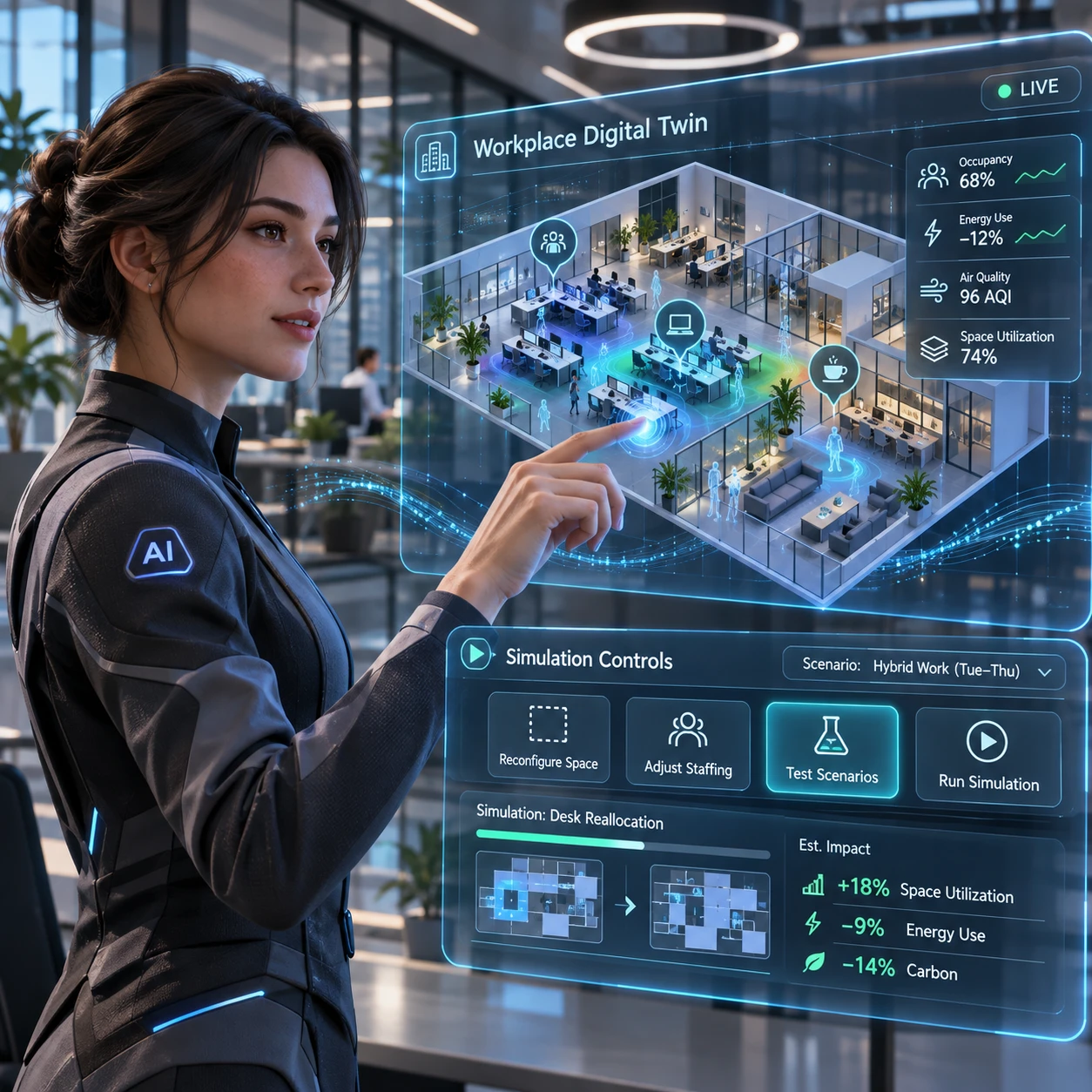
Digital twins are virtual models of real-world assets, processes, or environments. When an AI-generated avatar interacts with one, people can explore a simulation through conversation and action rather than dashboards alone. The avatar makes the model easier to engage with, while the digital twin supplies the simulated world and its changing conditions.
That distinction matters. An animated face by itself is not a digital twin, and a convincing avatar does not guarantee an accurate simulation. Useful experiences depend on how well the underlying model represents the system, how the avatar responds, and whether the data behind both is reliable.
What Is a Digital Twin—and Where Do Avatars Fit?
A digital twin is a virtual representation of a real object, system, or process that can reflect its state and behavior using data and models. An AI-generated avatar can serve as the human-facing, interactive character within that environment, but it is only one part of the twin experience.
A digital twin might represent a factory line, a building, a medical device, or a workflow. Depending on the use case, it may combine a 3D model with rules, engineering simulations, live sensor data, and historical records. Some twins update continuously; others are used for planned testing and do not mirror a live system.
The avatar plays a different role. It may represent a trainee, customer, operator, or fictional character who can speak, move, ask questions, and respond to events. For example, in a safety-training simulation, a trainee could speak with an avatar acting as a colleague while the digital twin models a changing worksite.
Think of the twin as the simulated environment and its operating logic; the avatar is an interface or participant within it. This separation helps teams judge quality properly: evaluate the twin for fidelity to the real system, and the avatar for useful, appropriate interaction.
How AI and Avatars Make Simulations More Realistic
AI and avatars make digital twin simulations more realistic by enabling human-like interaction and context-sensitive responses. Generative AI can produce dialogue, while behavior models and simulation rules determine how an avatar acts when conditions change.
Realism has several layers. An avatar’s appearance and voice can make an encounter feel familiar, but behavioral realism is often more important: does the character notice a hazard, follow the scenario, and respond consistently? Natural language processing lets users ask questions in their own words instead of selecting from a fixed menu.
AI can also support human behavior modeling. A customer avatar might express confusion when product instructions are unclear; a virtual patient might report symptoms in response to a clinician’s questions. These are designed behaviors, not evidence that the system has reproduced a real person’s mind. The model should stay within its defined role and disclose when it is simulating rather than reporting a real individual’s views.
In a real-time simulation, an avatar may react to events such as a machine fault, a change in room temperature, or a trainee’s decision. The responses are only as credible as the rules and data that connect the event to the avatar. A polished voice cannot compensate for incorrect underlying logic.
How Avatar-Based Digital Twins Are Used
Avatar-based digital twins are used to make training, product testing, and virtual experiences more interactive. They let people practice decisions or explore scenarios with a responsive character in a modeled environment.
- Workforce training: Employees can rehearse equipment procedures, customer conversations, or emergency responses in a digital workplace. A supervisor avatar can explain a task, while the simulation tracks whether the trainee follows the required steps.
- Product and service design: Teams can test how people might use a product or navigate a service before deployment. Avatars can represent different user needs, but their reactions should be treated as scenario inputs, not as a substitute for research with real users.
- Customer experiences: A virtual guide can help visitors explore a digital venue, product demonstration, or service journey. The twin provides the setting and state; the avatar answers questions or directs attention.
- Scenario testing: Teams can examine how a system responds to different human actions, such as an operator delaying a step or a visitor entering a restricted area. This can reveal gaps in procedures and interface design.
For example, a manufacturer could model a production area and let trainees practice responding to a simulated equipment warning. An avatar could ask the trainee to explain their next action, while the twin changes state according to the chosen procedure. The exercise can expose confusing instructions before the same situation occurs on a live floor.
What Data and Technologies Power the Experience?
Avatar-based digital twins combine a model of the environment with data and interaction technologies. Sensor data, motion capture, generative AI, and language systems can contribute, but teams should use only the inputs needed for the simulation’s purpose.
The digital twin may draw on engineering specifications, operational records, or sensor data from connected equipment. Sensors can report conditions such as location, temperature, vibration, or machine status. In a training-only model, those values may instead come from a scenario script. Either way, teams need to know which data is live, simulated, or historical.
For the avatar, motion capture can inform gestures or body movement, while animation systems generate actions in response to events. Speech recognition and natural language processing help interpret a user’s words; text-to-speech or recorded audio delivers the reply. Generative AI may help create varied dialogue, but guardrails and scenario rules are needed to prevent unsupported answers.
Personalization can adapt language, difficulty, or role to a user’s experience level. That can improve relevance, but it also increases the need to control what personal information is collected and retained. A focused training simulation may need a role and a task result, not a biometric profile or a recording of every interaction.
Benefits and Limitations to Consider
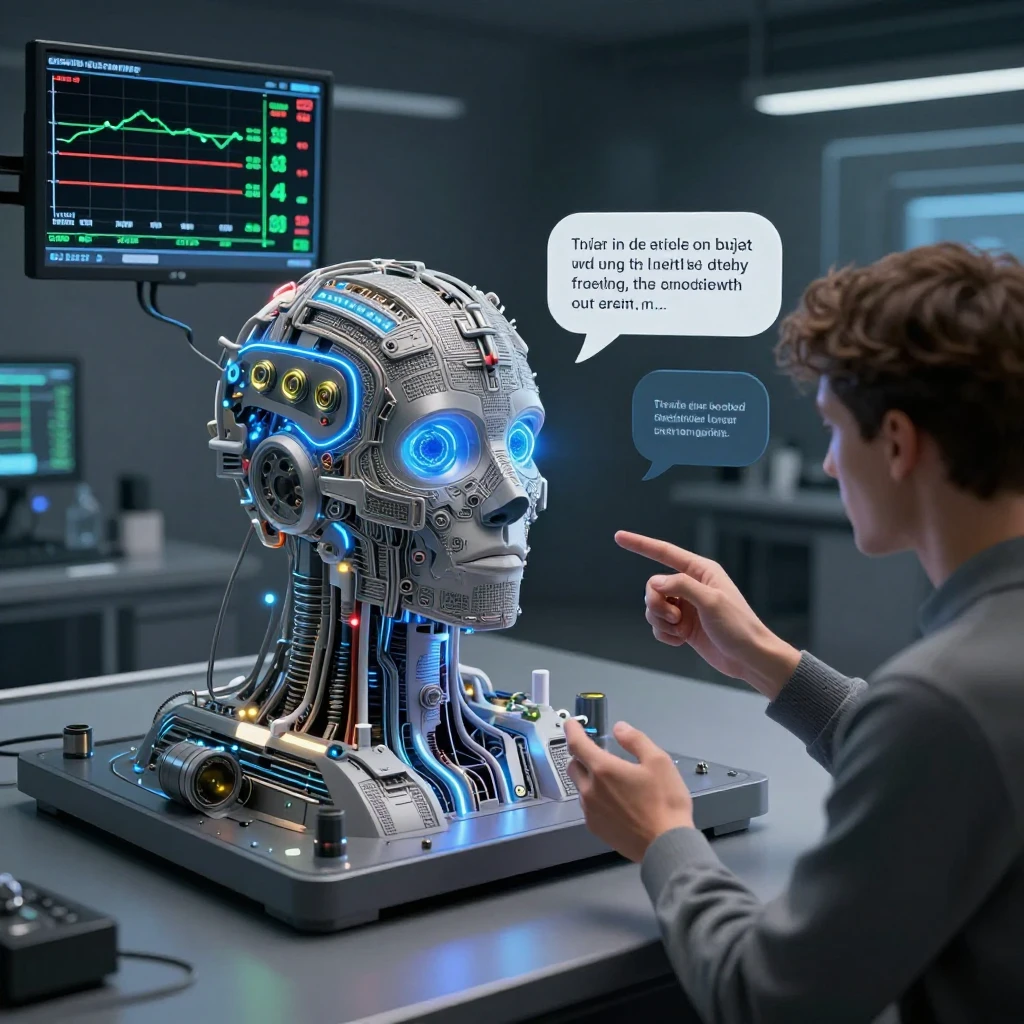
AI avatars can make digital twin simulations more approachable, repeatable, and responsive, but they do not automatically make them accurate. The value comes from combining a credible model with interactions that support a clear task.
Avatars can give users a natural way to ask questions and practice conversations. Simulations can also repeat the same scenario consistently, making it easier to compare decisions over time. However, adding realistic visuals, speech, and live data increases development effort and can introduce latency, integration problems, or maintenance costs.
Four risks deserve particular attention:
- Poor data quality: Incomplete or outdated sensor data can make a twin’s state misleading. Document data sources, update frequency, and known gaps; validate important outputs against the real system.
- Bias in behavior: A model trained on narrow or unrepresentative interactions may portray some users unfairly or respond less well to their language. Test with varied users and scenarios, and provide a way to report problematic behavior.
- Privacy exposure: Voice, movement, and performance records can reveal sensitive information. Minimize collection, set retention limits, restrict access, and explain what is recorded before a session begins.
- False confidence: A lifelike avatar may seem authoritative even when its response is generated or uncertain. Label simulated content clearly and make safety-critical decisions subject to qualified human review.
The practical test is not whether a simulation looks real. It is whether it helps users make better decisions under conditions that matter, without disguising uncertainty or collecting unnecessary data.
Designing a Useful Avatar-Driven Simulation
To design a useful avatar-driven simulation, define the task first, assign the avatar a clear role, validate the twin’s behavior, and protect the data throughout the experience. Starting with visual realism before these decisions can produce an impressive demo that solves little.
- Set a measurable goal. Decide what users should learn or what design question the simulation should answer. Examples include completing a procedure correctly or identifying where customers struggle in a service flow.
- Choose the avatar’s role. Specify whether it is a guide, trainee, customer, or scenario character. Set boundaries for what it can say and do, including how it responds when it does not know an answer.
- Match fidelity to the decision. A safety-critical equipment simulation may need precise machine behavior and verified sensor inputs. A concept test may need only a simplified environment and a few representative interactions.
- Validate with people and scenarios. Test the simulation against known conditions and ask intended users to try it. Check whether the avatar’s responses are understandable, consistent, and appropriate across different accents, interaction styles, and edge cases.
- Govern data and review results. Identify personal and operational data, limit access and retention, and explain how information is used. Keep a human review process for consequential decisions and update the model when the real system changes.
A useful framework is to check goal, model, interaction, and governance in that order. If the goal is vague, the twin may model the wrong thing. If the model is weak, better dialogue will not fix it. If the interaction is confusing, users cannot make effective use of the simulation; and without governance, even a technically successful experience can create avoidable privacy or trust problems.
Frequently Asked Questions
Is an AI avatar the same as a digital twin?
No. A digital twin is a virtual model of a real-world asset, system, or process. An AI-generated avatar is a character that can represent or interact with people in a simulation. An avatar may appear inside a digital twin, but it does not replace the twin’s model or data.
What makes a digital twin simulation realistic?
Realism depends on accurate system behavior, relevant data, and credible interactions. Visual detail helps, but correct responses to user actions and changing conditions matter more when the simulation is used for training or testing.
Can AI avatars respond to real-time data?
Yes, if the simulation connects the avatar’s interaction system to current data and defined response rules. Teams should distinguish live sensor readings from scripted or historical values and check that delays or data gaps do not create misleading responses.
What privacy issues should teams consider?
Teams should consider whether they collect voice, video, motion, identity, or performance data; who can access it; how long it is kept; and whether users understand its use. Collect the minimum necessary, secure stored information, and set clear deletion and access policies.