Virtual Influencers: Trends, Impact, and Future Possibilities

Virtual influencers are changing how people encounter personalities, stories, and brands online. Built from AI-generated avatars, digital humans, animation, and human creative direction, they can publish content, represent products, and interact with communities across social platforms.
Their growth raises a larger question than whether an avatar can attract attention: what should audiences expect from an online personality that has no biological body but does have a carefully designed identity? The answer involves technology, social media marketing, brand partnerships, audience engagement, and trust.
What Are Virtual Influencers?
Virtual influencers are fictional or digitally constructed personalities that build audiences and publish content online. They may use AI-generated avatars, 3D animation, motion capture, or illustrated designs, while people usually guide their identity, messaging, and operations.
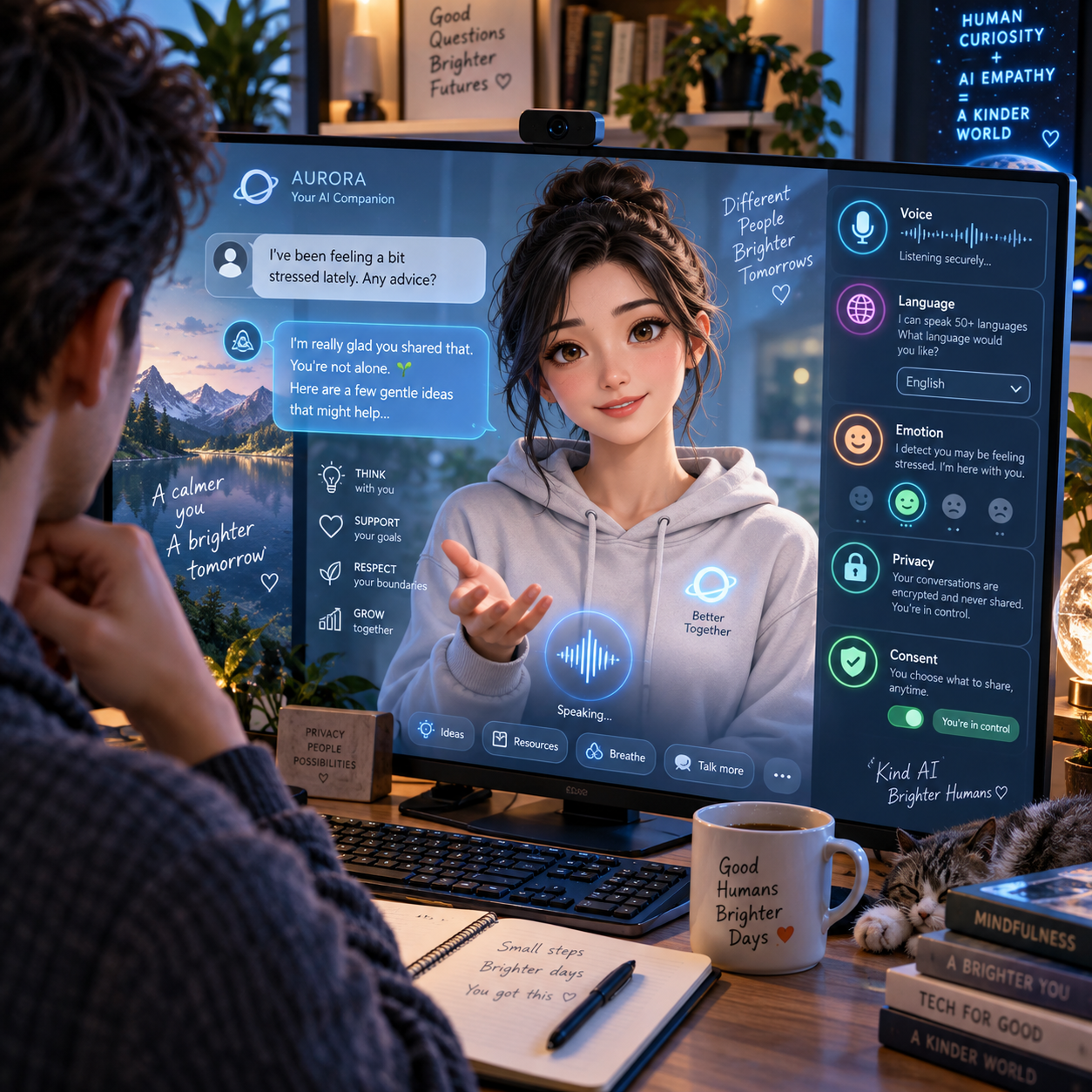
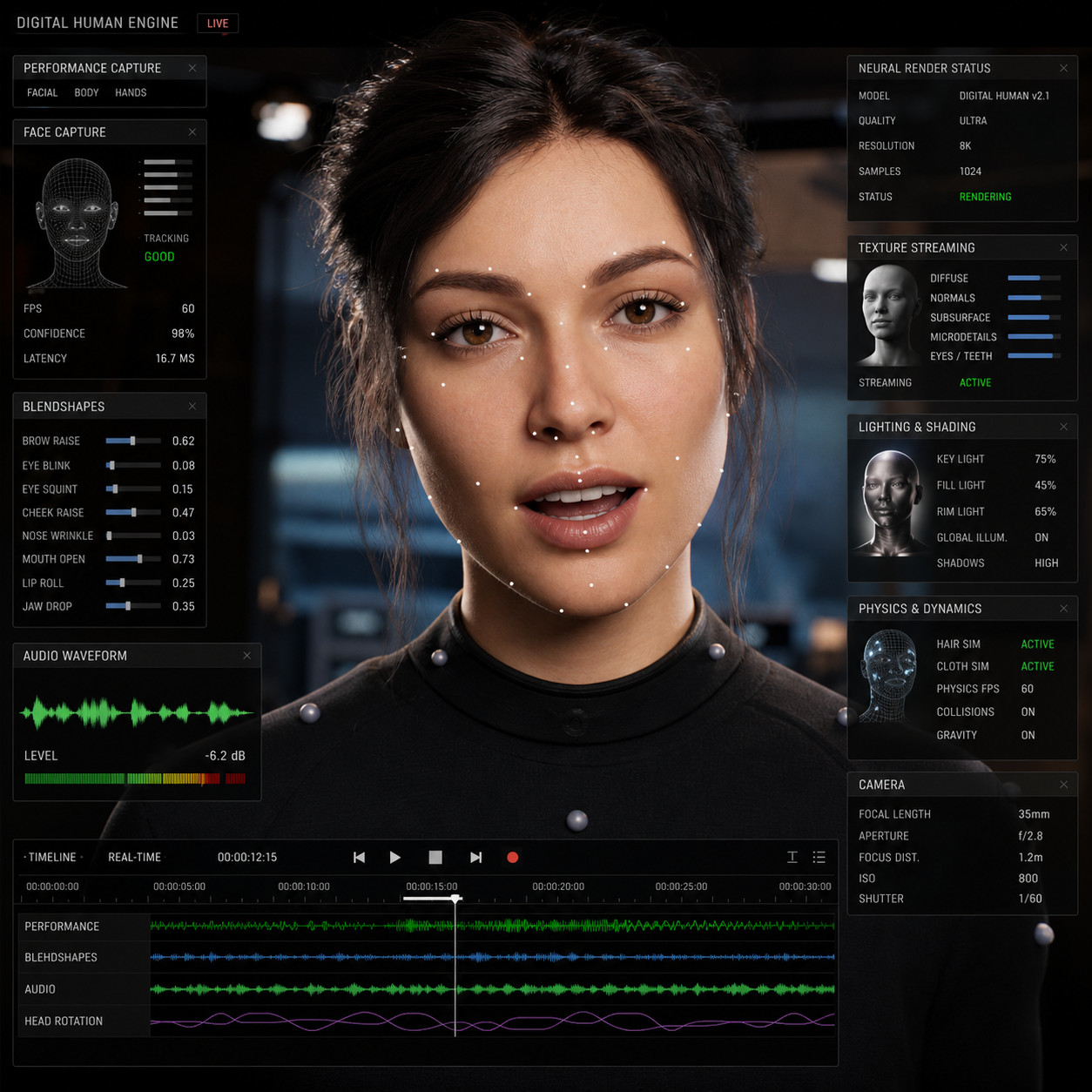
A virtual influencer can look highly realistic or deliberately stylized. Some resemble digital humans with human-like faces and bodies; others appear as animated characters, fantasy creatures, or community-created avatars. Their content may include photographs, short videos, livestreams, product features, music, and fictional narratives.
They differ from ordinary fictional characters because they operate through ongoing social identities. A character in a film has a defined story and release schedule. A virtual influencer responds to trends, develops recurring relationships with followers, and may enter brand partnerships in a way that resembles a human creator.
They also differ from human influencers in an important way: their appearance, personality, and publishing environment can be controlled or adjusted by a creative team. That control creates consistency, but it can also make claims of spontaneity and influencer authenticity more complicated.
How Virtual Influencers Are Created and Managed
To create and manage a virtual influencer, teams combine avatar design, generative AI, character development, content production, and daily social media operations. The avatar is only the visible layer; a credible identity requires rules for behavior, language, and audience interaction.
Designing the avatar and identity
Development often begins with a visual brief covering age presentation, style, facial features, clothing, body language, and cultural references. Designers may build the character in 3D software, use image-generation systems, or combine both approaches. A style guide helps maintain recognizable details across posts.
The team then establishes a personality. This can include values, interests, vocabulary, boundaries, backstory, and the types of communities the avatar should join. A sustainable identity needs room to evolve without becoming inconsistent. For example, an avatar positioned around sustainable fashion should have content choices and partnerships that support that theme.
Producing content and running accounts
Generative AI can assist with images, scripts, concepts, voice design, and variations of short-form video. Human creators still select prompts, edit outputs, verify claims, review cultural details, and decide what deserves publication. The more realistic the avatar, the more important this oversight becomes.
Management also includes scheduling posts, moderating comments, answering messages, tracking audience sentiment, and adapting content for each platform. A cross-platform identity may share one core personality while changing format: a polished image on Instagram, a quick reaction on TikTok, a discussion thread on X, or an immersive appearance in a virtual world.
Key Virtual Influencer Trends
Current virtual influencer trends center on realism, specialization, interaction, and continuity across digital environments. The field is moving from static images toward persistent identities that can participate in communities and deliver more personalized experiences.
- Realistic digital humans: Advances in rendering, facial animation, synthetic voice, and generative AI make some avatars increasingly lifelike. Realism can improve immersion, although excessive realism may make disclosure more necessary.
- Niche avatar communities: Many successful concepts are built around a clear interest, such as gaming, beauty, music, streetwear, education, or virtual fashion. A focused identity often creates stronger community signals than a general-purpose character.
- Interactive content: Polls, live appearances, branching stories, virtual meetups, and audience-led character decisions give followers a role in the narrative.
- Cross-platform identities: Avatars increasingly move between social networks, games, digital collectibles, virtual events, and branded environments. Consistency becomes an asset, but each platform still requires native content.
- Personalized experiences: Future-facing campaigns may adapt recommendations, dialogue, or creative assets to audience segments. Personalization must be limited by privacy expectations and clear data practices.
These trends suggest a shift from treating an avatar as a campaign image to treating it as a managed media property. That model demands stronger editorial standards, because every post contributes to a long-term identity.

The Impact on Marketing, Media, and Audiences
Virtual influencers give brands greater creative control and scalable content production, while audiences gain new forms of storytelling and community participation. Their impact depends on whether the experience feels relevant and honest rather than merely technically impressive.
For brands, an avatar can maintain a stable visual identity, appear in several campaigns, and support product storytelling without the scheduling limits of a human spokesperson. A fashion label might use a digital human to model virtual clothing, while a game publisher could develop an avatar that exists inside its fictional universe.
Brand partnerships can also reduce some production friction. Once an avatar’s visual system is established, teams can create new settings and formats without arranging a physical shoot. The trade-off is that scalable production does not guarantee audience interest. Repetition, weak scripts, or obvious promotional intent can make content feel empty quickly.
Audience engagement works differently from a conventional advertisement. Followers may form parasocial relationships with an avatar, comment on its fictional life, or help shape its future. These interactions can support belonging and creativity, but they may also blur the line between a designed performance and a personal relationship.
Virtual influencers therefore challenge older ideas of authenticity. A human creator can be selective and performative; a virtual creator is inherently constructed. Trust may come less from the illusion that the avatar is real and more from transparent storytelling, consistent behavior, and honest commercial disclosure.
Ethical and Practical Challenges
The main ethical challenges involve disclosure, representation, data use, cultural sensitivity, ownership, and the risk of misleading audiences. Technical capability should never remove the responsibility to explain who controls the avatar and how its content is made.
Disclosure and transparency
Audiences should be able to recognize when they are engaging with an AI-generated avatar or a fictional digital human. Sponsored content also needs clear advertising disclosure. Labels should be visible, understandable, and placed near the relevant post rather than hidden in a profile description.
Teams should distinguish between a fictional character speaking in a story and an avatar presenting factual advice. Health, finance, politics, and news-related content require especially careful review because realistic presentation can imply expertise or lived experience that the avatar does not possess.
Representation, consent, and ownership
Avatar design can reproduce stereotypes about race, gender, age, disability, or nationality. Cultural references should receive informed review, particularly when a team uses them to make an avatar appear relatable or marketable. If a design borrows a recognizable person’s face, voice, or likeness, consent and licensing must be addressed before publication.
Ownership can also become complicated when generative AI contributes to imagery, scripts, or voice performance. Teams need records showing who created the underlying assets, which datasets or licensed materials were used where relevant, and who controls the character’s commercial rights.
Manipulation and audience trust
An avatar engineered to appear endlessly available may encourage unhealthy engagement or make advertising feel like friendship. Personalization can intensify that effect if systems use sensitive behavioral data without meaningful consent. Responsible projects minimize unnecessary data collection, provide moderation, and give users a clear way to report harmful content.
Future Possibilities for Virtual Influencers
The future of virtual influencers will likely involve more interactive avatars, real-time conversations, immersive events, and personalized brand experiences. These developments are possible, but their adoption will depend on latency, cost, safety, platform rules, and audience acceptance.
Real-time dialogue could allow an avatar to answer common questions, host a virtual event, or guide visitors through a digital showroom. A human moderation layer will remain important when conversations involve sensitive subjects, minors, personal data, or claims that require factual verification.
Virtual influencers may also become recurring participants in games, augmented reality experiences, and persistent online spaces. Instead of publishing only to a feed, an avatar could appear at a concert, wear items from several virtual economies, or help a community create a shared story.
Another possibility is the rise of distributed creator models. A musician, designer, community, or independent operator could license an avatar identity and contribute approved content under shared rules. This could open new creative opportunities, although governance would be needed to prevent conflicting messages and unauthorized use.
The likely direction is hybrid rather than fully automated. Generative AI can increase variation and responsiveness, while people provide judgment, emotional intelligence, accountability, and cultural context.
How Brands and Creators Can Use Virtual Influencers Responsibly
Brands and creators should use virtual influencers responsibly by prioritizing disclosure, consistent identity, human oversight, privacy, and values that match the campaign. A simple governance framework can prevent many avoidable failures.
- Define the identity: Document the avatar’s purpose, personality, audience, visual rules, and limits. Separate fictional storytelling from factual claims.
- Disclose clearly: Explain that the personality is virtual or AI-generated, and label paid partnerships where they appear. Use plain language instead of vague technical terms.
- Keep humans accountable: Assign named reviewers for scripts, visuals, cultural references, safety, and community moderation. Automation should not become an excuse for ownerless publishing.
- Protect audience data: Collect only what the experience needs, explain personalization, and avoid using sensitive information to pressure users into engagement or purchases.
- Audit representation: Review the avatar’s appearance, voice, language, and partnerships with people who can identify cultural or accessibility concerns.
- Measure trust as well as reach: Track meaningful comments, sentiment, complaint rates, disclosure visibility, and repeat engagement. High impressions do not prove a healthy relationship with an audience.
The strongest virtual influencer projects treat technology as a creative medium, not a substitute for responsibility. Human creators remain essential to the field, especially where lived experience, accountability, and genuine personal testimony matter.
Frequently Asked Questions
What is a virtual influencer?
A virtual influencer is a fictional or digitally constructed personality that publishes content and builds an audience online. It may use an AI-generated avatar, 3D animation, illustration, or a digital human design.
How are virtual influencers made?
Teams combine avatar design, generative AI, character writing, animation, voice or video production, and social media management. Human direction controls the identity, reviews outputs, and manages audience interactions.
Are virtual influencers powered by AI?
Some are powered by AI for image generation, writing assistance, voice synthesis, personalization, or conversation. Others rely mainly on animation and human-produced content, so the label does not describe one technical method.
Why do brands work with virtual influencers?
Brands may use them for creative control, consistent visual identity, scalable production, immersive storytelling, and access to niche communities. The approach still requires strong ideas and transparent advertising to earn trust.
What ethical concerns surround virtual influencers?
Key concerns include unclear disclosure, misleading realism, data misuse, cultural stereotyping, unauthorized likeness, unclear ownership, and manipulative audience engagement. Human oversight and visible transparency help address these risks.